
Independent walking aid guides
Compare walking aids, with every figure sourced
Independent guides to walking sticks, walking frames, rollators, wheelchairs and mobility scooters. For each aid we say who it suits and compare products on specifications that carry a source and a date. Every product is marked as tested or researched.

WalkingAids.net in brief
- What we do: independent buying guides and comparisons for walking and mobility aids. We don’t sell anything ourselves.
- Who it’s for: people choosing an aid for themselves or someone they care for, and the professionals who advise them.
- Where: separate guides for the United Kingdom, the United States, Canada, Ireland, Australia, New Zealand, Germany, France and Spain, with local product names, retailers and help with costs.
- How we stay honest: each specification links to its source, with the date we checked it. Products are labelled Tested or Researched, and affiliate links are marked Ad.
- What we don’t do: give medical advice. Please speak to a doctor, physiotherapist or occupational therapist before choosing an aid.
Which walking aid do you need?
Start with the type of aid. Each section explains who it suits, what to look for and how products compare.

Walking sticks
Light support on one side. Suits people who are fairly steady on their feet and want a little help with balance or with a painful hip or knee.
Called canes in the US and Canada.

Walking frames
Four legs and the most stability. You lift or slide it with each step, mostly indoors and over short distances.
Called walkers in the US and Canada.
Rollators
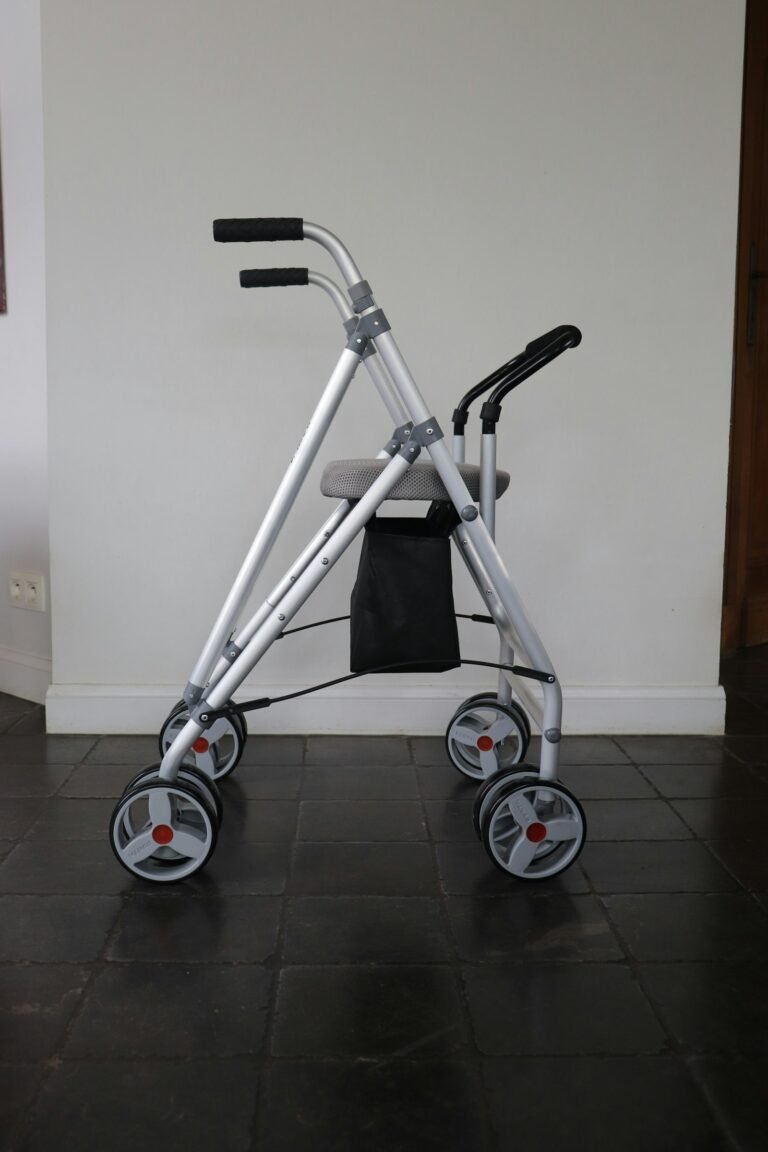
A frame on wheels with hand brakes and usually a seat. Suits people who need firm support but want to walk further and stop to rest.
Also called rollator walkers or wheeled walkers.

Wheelchairs
For longer distances, or when walking isn’t possible. Self-propelled, attendant-propelled and lightweight transport chairs.
Mobility scooters
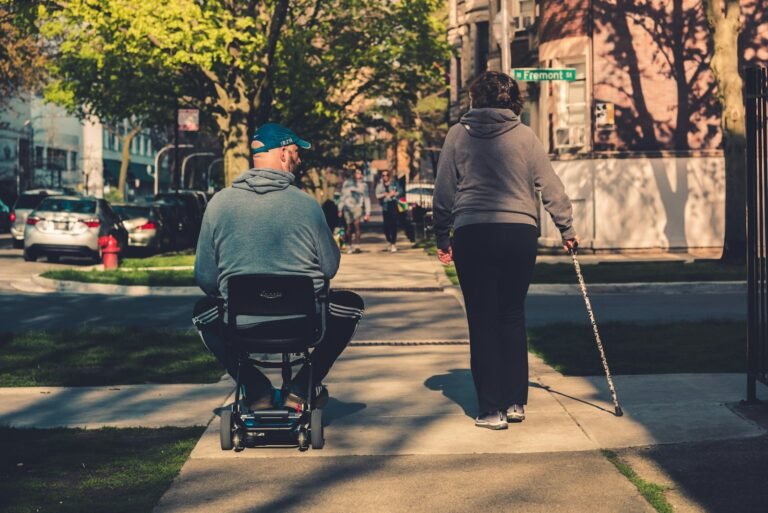
Powered and built for outdoor trips. Suits people who can’t walk far but can steer and get on and off safely.
Walking aids at a glance
| Aid | How much support | Often chosen for | Where it works best |
|---|---|---|---|
| Walking stick | Light | Balance, or one painful hip, knee or ankle | Indoors and outdoors |
| Walking frame | High | Unsteadiness, or recovering after an operation or a fall | Mostly indoors, short distances |
| Rollator | Medium to high | Walking further, with somewhere to sit and rest | Outdoors, shops and longer walks |
| Wheelchair | Full, seated | Long distances, or when walking isn’t possible | Anywhere step-free |
| Mobility scooter | Full, seated and powered | Getting out independently without walking far | Pavements, sidewalks and shops |
Guides for your country
Products, prices, names and help with costs differ between countries, so we write separate buying guides for each one.
-
United Kingdom
Prices in pounds, UK retailers, and how NHS and council equipment loans and VAT relief work.
-
United States
Canes and walkers priced in dollars, and when Medicare or the VA can help pay.
-
Canada
Prices in Canadian dollars, Canadian retailers, and provincial programs that help pay for mobility aids.
-
Ireland
How to get a walking aid through the HSE, and who can prescribe one.
-
Australia
How the NDIS, My Aged Care and Support at Home can help pay for walking aids.
-
New Zealand
How ACC and Disability Support Services help with walking frames and other aids.
-
Deutschland
Rollator auf Rezept: Zuzahlung, Genehmigung und welche Gehhilfe passt. Auf Deutsch.
-
France
Le remboursement d’un déambulateur par l’Assurance Maladie. En français.
-
España
Andadores y muletas en la sanidad pública. En español.
How we make our guides
- Sourced specifications. Every weight, size and limit links to where it came from, with the date we checked it.
- Tested or researched. Each product says whether we used it ourselves or compared it from published information.
- Independent choices. Retailers and brands can’t pay to be included or to rank higher.
- Clear about money. Links that earn us a commission are marked Ad. Read our affiliate disclosure.
- Built to be easy to use. Large text, strong contrast, and full keyboard and screen reader support. Read our accessibility statement.
How we review products · Our editorial policy · About us
Common questions
What is WalkingAids.net?
WalkingAids.net is an independent guide to walking and mobility aids. We explain what each type of aid does and who it suits, and compare products on sourced, dated specifications. We do not sell products ourselves.
What is the difference between a walking stick, a walking frame and a rollator?
A walking stick gives light support on one side and suits people who are fairly steady. A walking frame has four legs and gives the most stability; you lift or slide it with each step, usually indoors. A rollator is a frame on wheels with hand brakes and usually a seat, for people who need firm support but want to walk further.
Should I get advice before buying a walking aid?
Yes. A doctor, physiotherapist or occupational therapist can check which aid is safe for you and set it to the right height. In some countries you may be able to borrow or get help paying for an aid after an assessment. Our country guides explain the options.
How do you choose which products to include?
We compare products on published specifications such as weight, maximum user weight, handle height and folded size. Every figure links to its source with the date we checked it, and each product is labelled Tested if we used it ourselves or Researched if we compared it from published information.
How does WalkingAids.net make money?
Some links earn us a small commission if you buy through them, at no extra cost to you. These links are marked Ad. Commission never decides which products we include or how we rank them, and retailers cannot pay to be featured.
Which countries do you cover?
We have guides for the United Kingdom, the United States, Canada, Ireland, Australia, New Zealand, Germany, France and Spain. Each country has its own pages with local product names, retailers and the schemes that can help pay for a walking aid.